Article
Revelation: Is It Literal or Symbolic?
Revelation should not be flattened into a rule that everything is literal or everything is symbolic. The book itself uses both symbols and concrete particulars, and the safer path is to let the text explain itself.
Those new to Revelation will eventually ask the question: should this book be taken 100% literally, 100% symbolically, or somewhere in between?
The answer is found inside the book itself: Revelation uses both.
Revelation opens by saying that God gave the revelation to Jesus Christ, who then "signified it" to John (Revelation 1:1, URV). The word can carry the idea of making something known, communicating it, or indicating it by signs. That does not prove every detail is symbolic, but it does prepare the reader for symbolic communication.
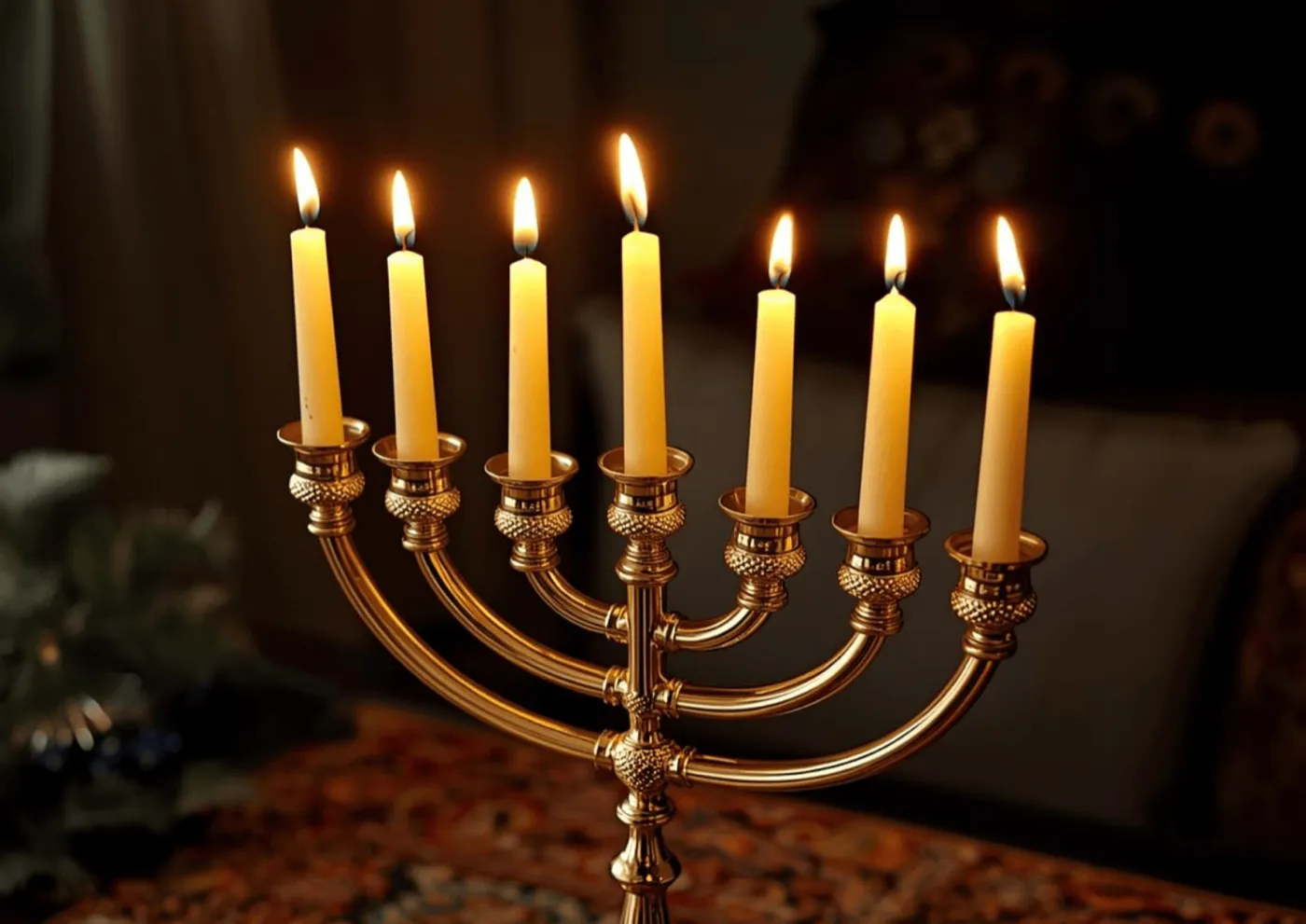
By verse 20, Jesus makes this explicit. The seven stars are the angels of the seven churches, and the seven lampstands are the seven churches (Revelation 1:20). John truly sees stars and lampstands in the vision, but Jesus tells him what they signify.
Other examples follow the same pattern. The dragon is identified as the devil and Satan (Revelation 12:9). The waters are peoples, multitudes, nations, and languages (Revelation 17:15). The beast imagery also reaches back into Daniel, where beasts represent kingdoms and political powers (Daniel 7:3-7, 17; Revelation 13:1-2).
So yes, Revelation is full of symbols.
But that does not mean everything becomes symbolic. Revelation is also grounded in concrete particulars. The 1,260 days are stated as days (Revelation 11:3; 12:6). The ten kings are kings, figures with real political authority (Revelation 17:12). The seven churches are real churches in real places (Revelation 1:11).
If we make everything literal, we ignore the symbols Jesus Himself explains. If we make everything symbolic, the book loses its concrete meaning and becomes open to almost any interpretive scheme.
The better path is to read Revelation as literal details explained, at times, through symbolic representation. If the book says 1,260 days, it is being very specific in both number and increment: days are not weeks, years, or an allegory for some larger period. If the book describes two men as "the two olive trees, and the two lampstands" (Revelation 11:4), it is speaking of two men with symbolic imagery wrapped around them to add depth and link them back to the Old Testament.
When Revelation identifies a symbol, receive it as a symbol. When a symbol is not directly explained, check Scripture's earlier patterns, especially the prophets. And when Revelation speaks plainly in particulars, let those particulars stand. This protects us from two opposite errors. On one side, we should not flatten every image into wooden literalism when the book itself tells us an image means something. On the other side, we should not expand every symbol into whatever meaning feels interesting, clever, or spiritually impressive.
Personal reflection can be helpful. It can even be joyful. But Revelation is not a game of Clue, where every reader invents a private solution from scattered hints. When personal interpretation is taken too far, and nonexistent allegorical meanings are forced onto the text, it can begin to sound like secret knowledge.
Scripture warns us not to turn prophecy into private interpretation: "Knowing this first, that no prophecy of the scripture is of any private interpretation" (2 Peter 1:20, KJV). Peter grounds this in the source of prophecy itself: "holy men of God spake as they were moved by the Holy Ghost" (2 Peter 1:21, KJV). In other words, prophecy did not originate in human imagination, so it should not be explained by human imagination detached from the text.
Peter also warns that some twist difficult Scriptures "unto their own destruction" (2 Peter 3:16, KJV). Revelation is difficult in places, but difficulty is not permission to invent meanings the text cannot support.
So what is safe?
The safest approach is to believe and teach only what the text itself can actually support. If Revelation explains a symbol, we can teach that explanation with confidence. If an image is not explained in Revelation, we should test it by the wider patterns of Scripture, especially the prophets. If an interpretation requires too large a leap without textual evidence, it should be held loosely, questioned carefully, or left alone.
This does not mean we should stop trying to understand Revelation. We should read, compare, pray, study, and wrestle with the text. Straining at the text is not a bad thing; straining the text is where danger begins. There is a difference between working hard to understand what God has said and forcing the passage to say more than it can bear.
We also do not need to solve every mystery in Revelation. That is not the point of the book. Some things are still hidden, like the seven thunders in Revelation 10, where John hears something but is told not to write it down (Revelation 10:4). God has not chosen to reveal everything.
But He has chosen to reveal much. The book is, after all, "The Revelation of Jesus Christ" (Revelation 1:1). It is not hiding what it intends to share. It reveals Christ, His churches, His warnings, His judgments, His mercy, His victory, and the final hope of all things made new. We should receive what is revealed with humility, and leave what is not revealed in the hands of God.